Imagine relaxing on your sofa and scrolling through your phone as a live match plays on the TV. An ad pops up for a sports betting app. It looks innocent enough, like a game of solitaire or chess. And it’s promising lofty returns for the price of a cup of coffee. So you think, why not?
Suddenly, you’re not just watching—you’re betting. With just a few taps, you place a bet, and you’re immediately locked in: no noisy casino, no trip to town. That sleek, always-on betting app feels like entertainment, but experts warn it’s a minefield, quietly built to weaken both your finances and sanity.
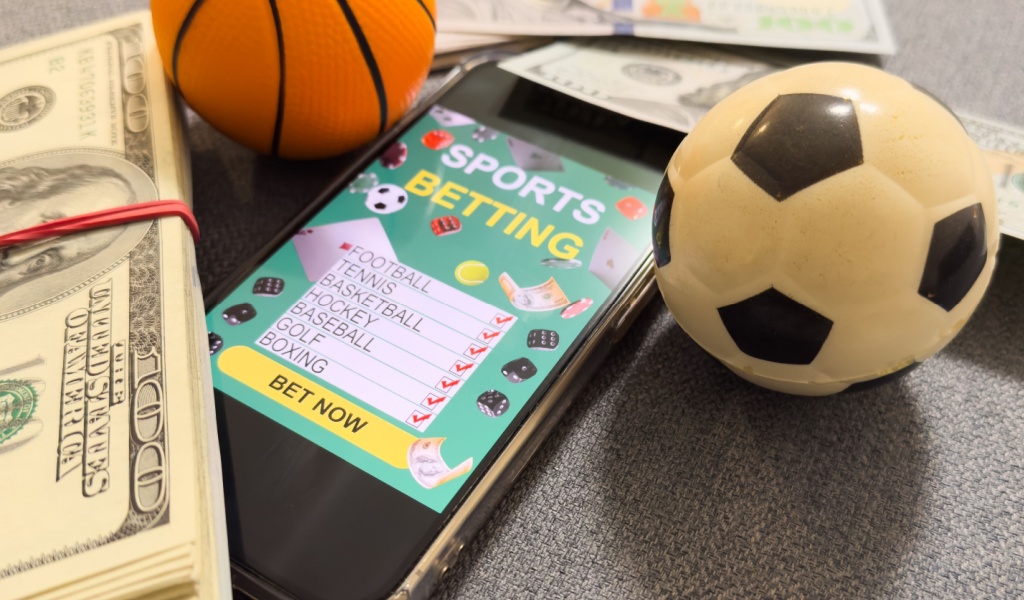
The Smooth Trap
The rise of sports betting apps has transformed what was once an uncommon, high-stakes endeavor into a nearly effortless habit. One expert claims that these apps combine the already addictive nature of smartphones with the thrilling rush of gambling.
According to psychologists, micro-bets — betting on small moments, such as whether a player will make a free throw or whether a pass will be successful — have become increasingly prevalent. These brief, fragmented bets make a quick feedback loop: the delay between placing a bet and getting a result shrinks, which can increase compulsive behavior.
Meanwhile, personalized alerts, streak alerts, and deposit prompts feel harmless, but they’re subtly designed to pull you back, repeatedly. As psychotherapist Renée Zavislak warns, the way these apps rely on behavioral information makes the offers harder to resist.
Betting and the Brain
It isn’t just your wallet that suffers; the brain gets rewired too. Experts explain that betting triggers the same reward circuits that addictive substances do.
At the center is the ventral striatum, the brain’s reward center, which fills with dopamine when you bet or predict winning. Over time, your prefrontal cortex — the part of your brain responsible for self-control and decision-making- gets less active.
This makes it more difficult to resist cravings. As you keep betting, your brain becomes less sensitive to dopamine, so you might need to bet bigger or more frequently to feel the same excitement. That’s a familiar pattern: tolerance, craving, and increasing risk.
Financial Losses
Although it isn’t the only thing at risk, money is often the first and most prominent casualty. The financial cost of these apps is already evident: according to a study reported in Scientific American, the chance of bankruptcy increases by a startling 25-30%, and average consumer credit scores decline by roughly 1% four years after a state legalizes online sports betting.
What’s scarier is that these platforms are designed to normalize increasing stakes while also helping users rationalize losses. Many people breach the all-too-familiar danger zone of “chasing losses,” placing more and more bets in an attempt to recoup their losses.
However, despite promises of “free bets” or “bonus credits,” these incentives often conceal the actual cost. What felt like a small bonus could turn out to be just another drop in a never-ending financial pit.
An Explosion of Mental Health
As addiction experts state, the harm from betting isn’t just financial. The mental health effects spread outward, affecting families, relationships, and even self-esteem.
There are three typical stages of developing a gambling addiction:
- Winning Overemphasis: Initially, people recall wins more than losses, which encourages more gambling.
- Losing Phase: Losses increase, but the gambler chases harder, frequently placing riskier bets.
- Desperation: This downward spiral can lead to hopelessness and financial or physical harm.
Since these apps are always accessible on your phone, there is no natural stopping point. Unlike a visit to the casino, there’s no closing time. Accessibility at all times is part of what makes it so dangerous.
Dark Patterns
These are not just casual app features; they’re carefully designed hooks. In a Scientific American deep dive, researchers refer to these strategies as “dark patterns”: design choices that exploit cognitive biases for financial gain.
Among these patterns are:
- One-click wagers with high default sums
- Constant push alerts that create a false sense of urgency
- Hidden or hard-to-use safety mechanisms (like deposit limits)
- No proper display of how much money you’re truly losing
- Difficulty in deleting or deactivating accounts
These are not just oversights; they’re features created with behavioral science in mind. Betting firms now have extraordinary insight into users’ behaviors, preferences, and vulnerabilities.

Who’s Responsible?
According to designers and industry reps, sports betting companies claim they’re just competing for attention and meeting users where they are. However, critics argue that framing it as “just business” hides a much dangerous truth. The addiction risk is built into the technology itself, not just its external marketing.
Some contend the burden shouldn’t rest solely on users. Yes, apps provide safety settings, but only a few people use them. Meanwhile, responsibility is quietly transferred back to the user, absolving companies of deeper accountability.
Who Is Paying the Price?
Interestingly, it’s not only heavy gamblers who suffer. Experts claim that betting problems are more likely among people who can least afford to lose. And young adults, particularly men, are more vulnerable. Some let their belief that sports betting is a skill-based activity cloud the fact that luck frequently plays a far bigger role.
Meanwhile, safety features on these apps are hardly used. According to research in New Jersey, only 1–4% of younger people utilize deposit limits or self-ban tools, despite these tools being legally accessible.
How To Control This Problem?
Experts suggest several changes to control the havoc these apps are causing:
- Regulate design: Limit or restrict dark pattern features such as default high bets, aggressive alerts, or hard-to-close accounts.
- Delay transactions: Implementing a waiting period for deposits or in-app credits may lessen impulsive betting.
- Default safety tools: Instead of opt-in limits, allow users to opt out of deposit caps. This way, safety nets will be used more.
- Research and support: More research is required on neurological risk factors. According to the American Psychological Association (APA), some brain differences might make certain people more vulnerable to addiction.
- Behavioral interventions: Personalized messages, customized to an individual’s betting behavior, may help reduce risk, though more research is needed on how best to implement them.
- Stronger public health messaging: Control advertising, particularly those that glamorize betting, and make sure it includes clear warnings about addiction risks. Certain regions have already started doing this.
Conclusion
According to experts, sports betting apps are sophisticated platforms designed to access and exploit the brain’s reward circuits. The financial losses can often be severe; however, what’s lost emotionally—such as peace of mind and self-control—can be even more valuable.
If you or someone you know is struggling with betting, or if casual bets feel less exciting and more like a burden, it might be time to walk away from the game. Because when the game stops being fun, it stops being harmless!