Credit cards certainly make life so much easier – but they come with their fair share of risks too. As technology evolves, cybercriminals are also getting increasingly shrewder, making it much more likely that your financial information can fall into the wrong hands, even if you’re careful. The sooner you recognize the signs of a breach, the less damage you will have to deal with.
In the US, cybercrime is increasingly challenging to handle, and new scams emerge almost every day. Credit card fraud is often tough to spot and even harder to resolve. Since it’s such a tricky situation to handle, the best thing to do is to be very watchful for potential warning signs and keep a close eye on your finances. This way, you can act swiftly to address credit card fraud if it occurs.
What Is Credit Card Fraud?
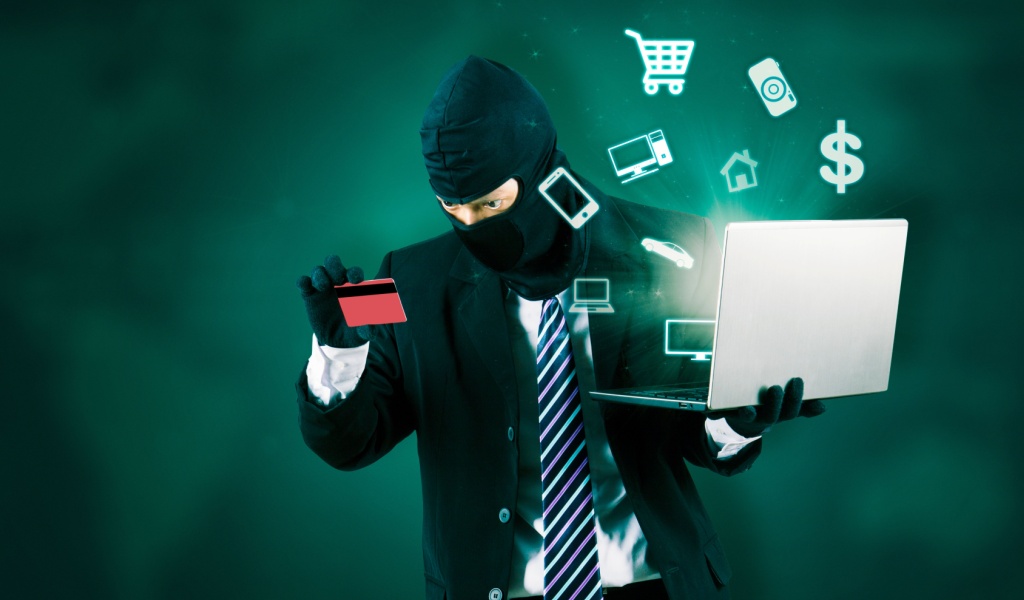
Basically, credit card fraud occurs when your card information is stolen to make fraudulent purchases. This is one of the most typical kinds of identity theft. Since credit card fraud takes several forms, it is difficult to detect. Here are some common ways scammers can target you:
Cloned Cards
Criminals will sometimes place devices called “skimmers” on the top of card readers at places like gas stations and other terminals. Once you swipe your card on one of these doctored devices, it will store your information so a duplicate can be then be created.
Account Takeover
An account takeover can happen when wrongdoers access your account and change your password, address, and PIN. If this happens, you’re locked out of your own account, and the criminal has full access!
Card-not-Present Theft
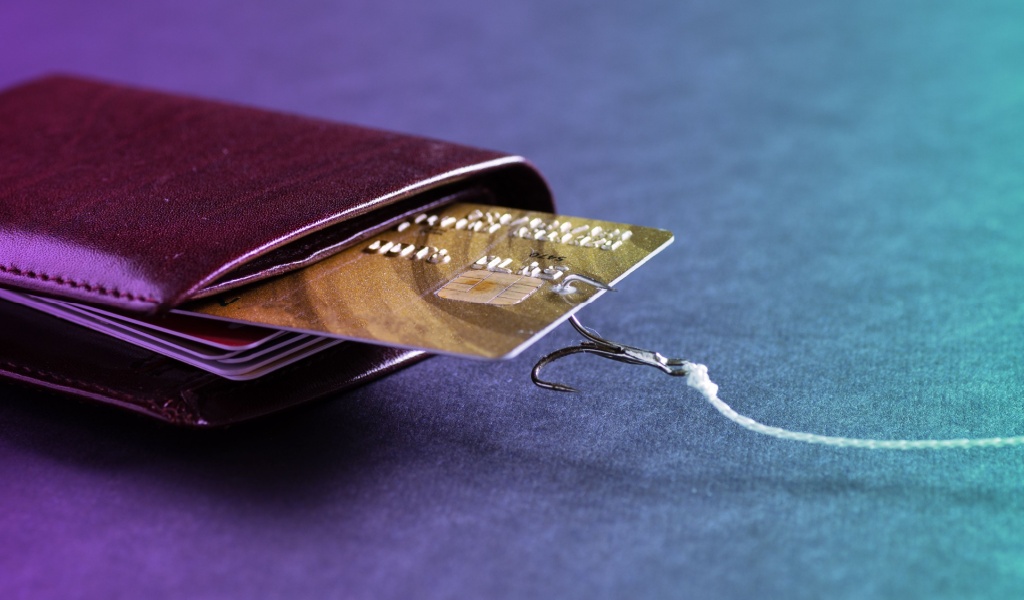
Your card may also be compromised through online scams or phishing schemes, even if it is not physically present. Scammers can then make fraudulent online purchases with your name, security code, and card number.
Warning Signs That Indicate Your Credit Card May Have Been Compromised
Changes in Your Statement
Make sure to review your credit card statements every month thoroughly. If you identify any charges from websites or stores you have not purchased from, it could be an indication of credit card theft. Hackers will usually stick to small purchases initially to avoid drawing attention, and slowly build up to large transactions over time. So its crucial not to ignore even a minimal transaction that is suspicious. The quicker you are to report it, the faster you can get your money back. For example, if you notice a $5 charge for an online service you didn’t purchase, but you disregard it because its not worth the effort, you may have given the fraudsters the green light for what could become a larger loss.
Your Transactions Are Being Declined, Even With Funds Available
If your card is declined even though there are funds available, it could mean that someone else has maxed out your card. In some instances, a fraud alert may trigger the bank to block your card after suspicious activities. If this happens, you must immediately log into your banking app and check your recent transactions. It’s a good idea to enable instant transaction alerts on your banking app so you’re notified the moment something unusual happens.
Alerts For Purchases You Did Not Make
If you get alerts for any transaction you didn’t authorize, don’t think it’s a technical glitch – even if the purchase was only a few dollars. It could be that someone is using your card, so ensure that you check the details of these notifications. Look into the location, merchant, and amoun,t and if anything looks suspicious, then immediately freeze your card and notify your bank.
Missing Account Statements Or Bills
Sometimes, hackers may change your contact details to cover up their tracks. So if your credit card statements don’t arrive by post or email, then check your account settings. Hackers can update your email ID or address to delay identifying the fraud.
Email Or Call Requesting Confirmation On Transactions
Banks have fraud departments that sometimes call or email you if they notice any unusual transaction. So, if your bank asks for confirmation on some transactions, take it seriously. Ensure that you verify the identity of the caller and avoid sharing any personal information unless you’re sure that you’re talking to the bank. At the same time, be cautious of any suspicious links sent through texts or emails.
Drop In Your Credit Score
The credit score is a good reflection of your financial health, and if you notice a sudden drop, it could signal some deceitful activity on your card. High balances or missed payments due to unauthorized transactions can reduce your score. Make sure that you review your credit report frequently for any changes or unfamiliar accounts and report anything suspicious immediately.
Your Card Shows Up On The Dark Web
Some apps and services closely monitor the dark web for any leaked card details. If you get an alert that your credit card number is available online, act swiftly. It’s worth considering paying for credit monitoring services for extra peace of mind. Even if no fraud has happened yet, it will only be a matter of time before someone attempts to use your card if the details have been leaked on the dark web.
Purchases From Far Off Locations
If you live in a particular state but notice transactions from a different state or another country, this is a sure sign that your card has been compromised. Some hackers use your details to shop online from a location far away, or they may be using a VPNs to hide their whereabouts.
What Should I Do When I Notice Any Of The Above Signs?
The key is to act swiftly to minimize damage. Firstly, block or freeze your card. Then, contact your bank and report any suspicious transactions and ask for a replacement card. Make sure that you change your passwords and update the banking and email passwords. It is imperative to do so if you use the same password across multiple sites or apps.
It is also essential to carefully monitor your statements and check for any unauthorized charges. If your money has been stolen, you must immediately raise a complaint for reimbursement.
Bottom Line
The only way to tackle credit card fraud is to detect it early so you can save money, time, and energy. Having a credit card is convenient, but you need to ensure that you’re very safe in handling it. Avoid sharing your card details over the phone or email, and don’t ever save your card information on unfamiliar websites. If you make online purchases frequently, use a secure, private Wi-Fi connection and regularly update your passwords and PINs. You can also set transaction limits and payment alerts on your mobile device so you are notified anytime your card is used.