Many people see organic food as healthier and more sustainable, but its high price can be a barrier. Despite the cost, choosing organic doesn’t have to break the bank.
Spending more on organic items may benefit your wallet in the long run. According to a 2018 report by the Food and Agriculture Organization, organic farming practices reduce hidden environmental costs and promote a fully traceable food system. Additionally, the Soil Association highlights that organic food production supports wildlife, ensures high animal welfare standards, and contributes to ecosystem health for future generations.
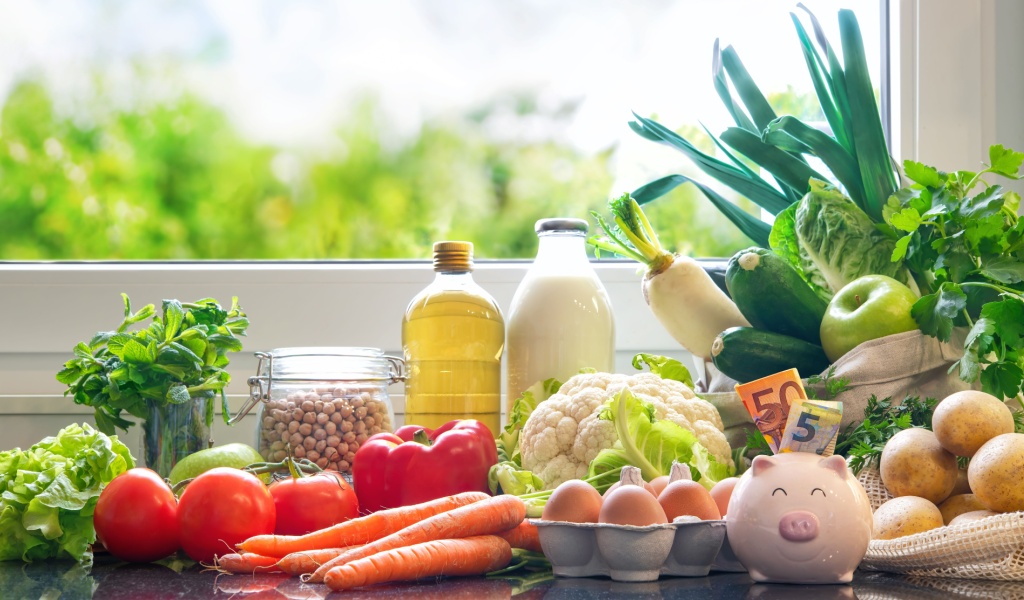
Here’s the thing: eating organic food on a tight budget is very much possible, and much easier than you thought it would be. Here’s how:
Grow Your Own Produce
You don’t need an elaborate garden to grow your own produce. With just a few pots, you can plant vegetables and herbs anywhere—on a porch, driveway, or windowsill.
Start with a few herbs since they take up little space. Instead of purchasing pots, consider upcycling empty egg boxes or milk cartons. The process is rewarding—from watching seedlings sprout to harvesting fresh produce.
Consume Less Meat
Meat is expensive, so prioritize vegetables. If you buy meat, choose cheaper cuts like belly or shoulder. These cuts take longer to cook but taste better than prime cuts.
Reduce Food Wastage
Did you know that the average American household wastes roughly 20-30% of its food? According to the United States Department of Agriculture, this percentage is commonly reported in national food waste studies. This could be due to poor storage, overbuying, or mismanaging the stock. When your pantry is stocked, use your oldest vegetables and meat first, and set a meal plan around them. This way, you minimize food wastage quite significantly.
Buy In Bulk Whenever Possible
Buying in bulk is often cheaper. For example, foods with a longer shelf life—such as pulses, pasta, dried fruits, and vegetables—can be purchased this way. Meat can also be bought in bulk and frozen into specific cuts and portions for later use.
Opt For Seasonal Produce
Buying seasonal produce is always much cheaper because it doesn’t incur shipping costs and is readily available. Meal plan so your recipes are based on seasonal produce, and you can even prepare sauces and pickles that last for months.
Cook Your Own Food
Buying readymade meals is convenient but expensive. Making food from scratch takes longer, but it’s healthier and cheaper. You can also freeze extra portions for later use.
Avoid Supermarkets
It all comes down to shopping wisely. Since organic food is generally seen as a premium product, it carries a higher price tag. Supermarkets tend to overprice organic produce, so it is better to purchase organic food from online organic shops, green grocers, or, best of all, a local farmers’ market.
Join An Organic Box Scheme
If you’re trying to go organic, organic box schemes are a great way to kickstart your journey. Although not necessarily cheap, they often compete with the prices of organic supermarket produce and offer a wider variety of ingredients. These include seasonal vegetables, fruits, dairy, and meat products delivered right to your doorstep. Many box scheme providers also offer introductory discounts, making it a great way to support local farms while saving time on shopping.
Cook for a Number of Days At A Time
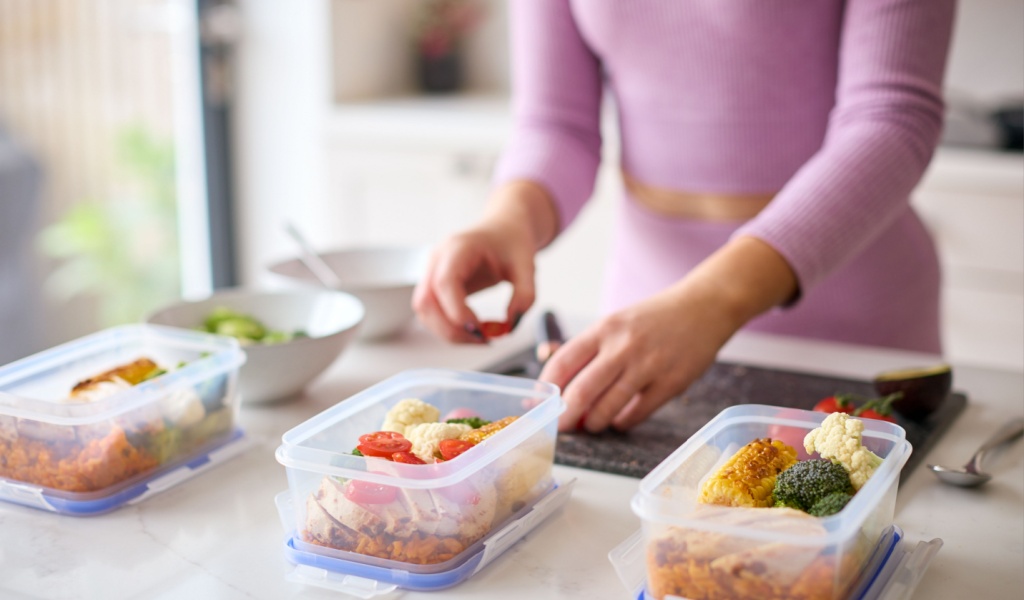
If you’re looking to reduce the time you spend in your kitchen, then it helps to cook for several days at a time. You can make huge batches of stews, soups, meat, etc and freeze them in portions to defrost whenever needed.
Dice two chicken breasts and make a Thai curry with plenty of vegetables. This will give you several meals—instead of just one—and adds more veggies for nutrition. Now you’ve made what would have been a single meal stretch over multiple days.
Be Flexible With Your Meal Preparation
Trust your intuition in the kitchen. If the recipe calls for red cabbage but you only have white cabbage in hand, then go for it. You can easily replace ingredients with similar and less expensive ones. Some other vegetables that can be interchanged are cauliflower and broccoli, red onions and white onions, and white wine vinegar and apple cider vinegar, just to name a few. Of course, it may not give you the perfect recipe book recreation, but you would certainly have managed something unique yourself.
Final Thoughts
Not so long ago, all food was organic, but with the Industrial Revolution came faster, cheaper food production. However, this comes at a hefty cost to human health, the environment, and food quality. Mass-produced food relies on synthetic chemicals that can cause many health issues. This is why organic food, although expensive, is an investment in long-term health and vitality.